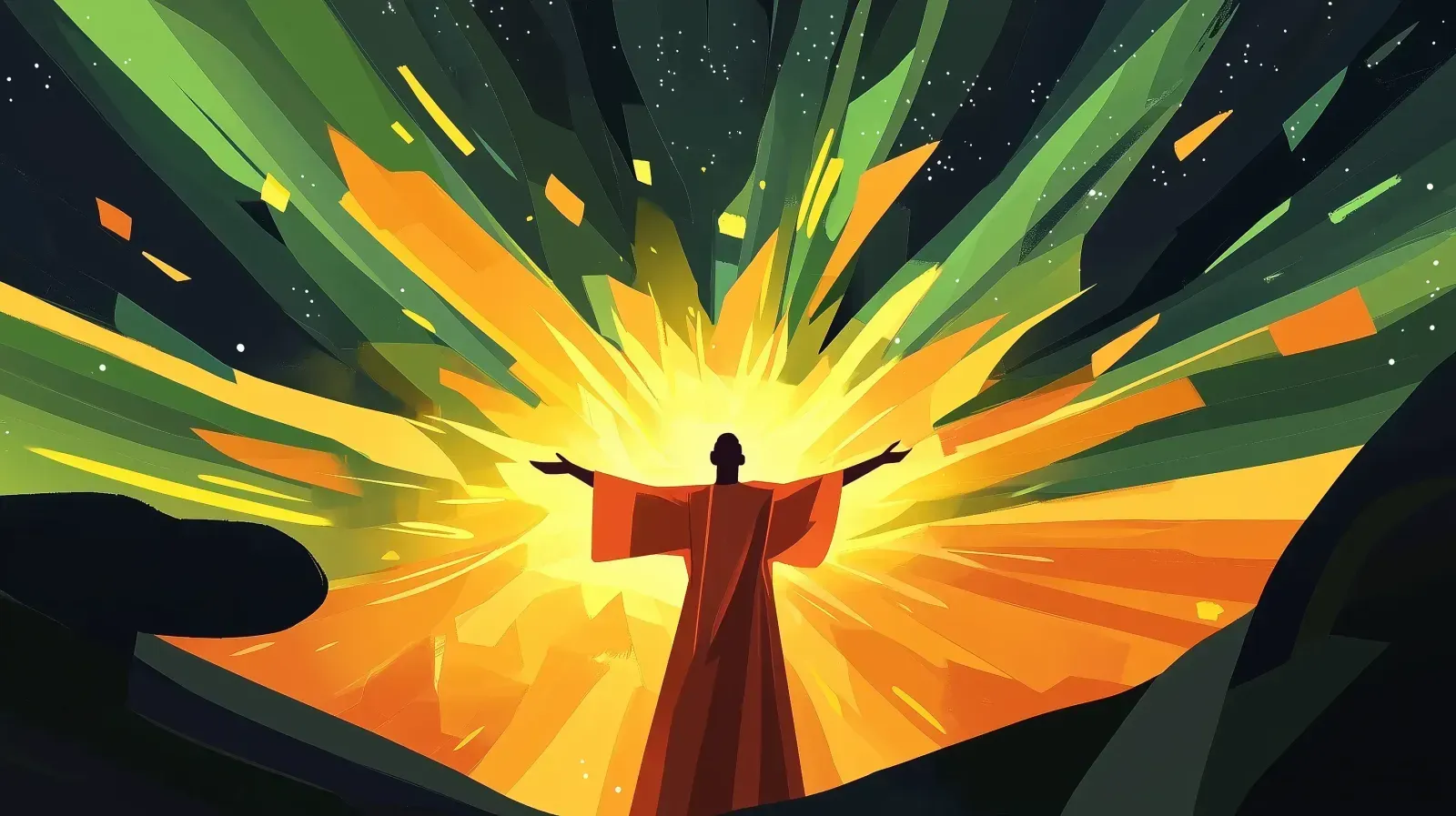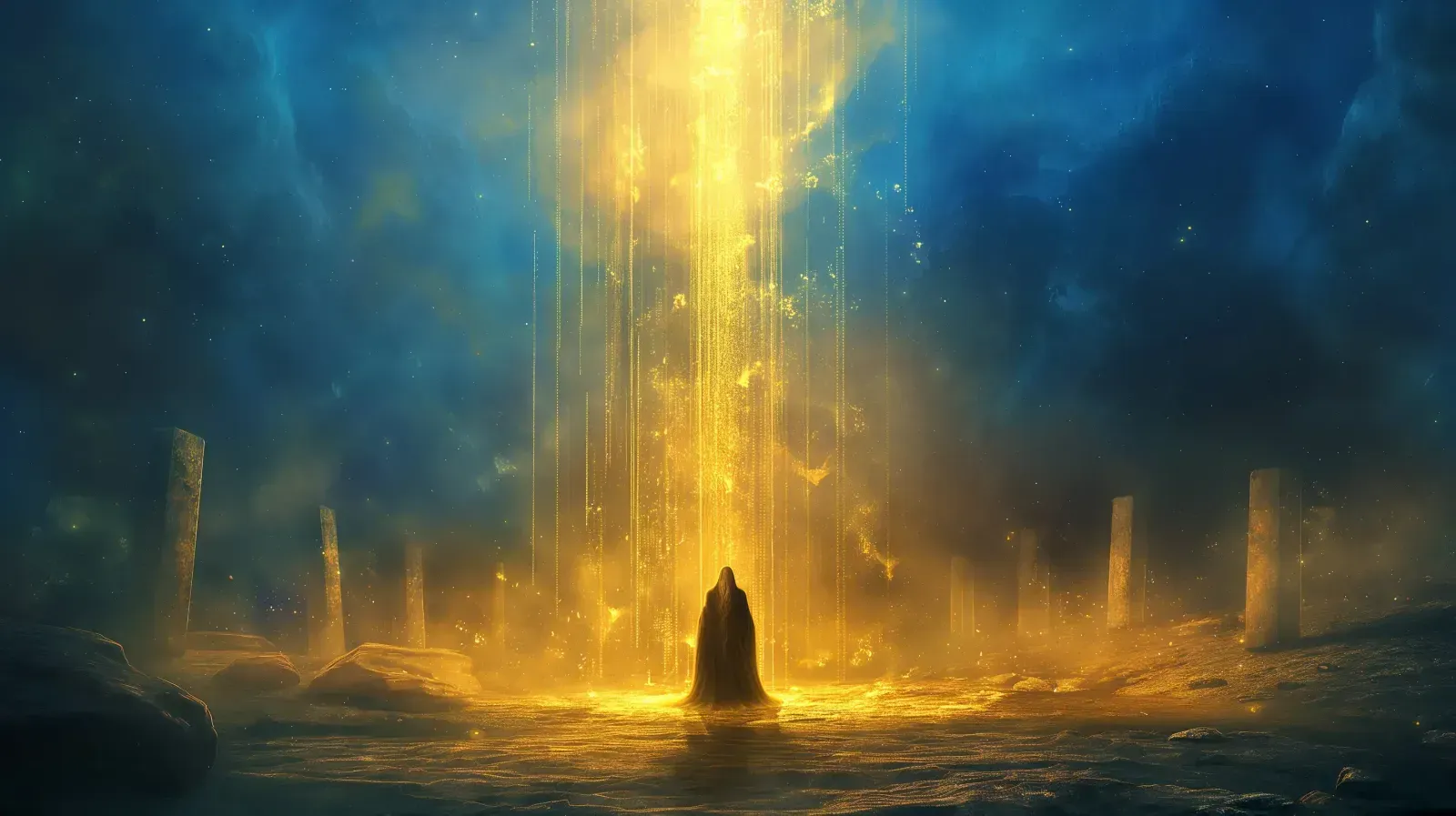
For generations, the world has been offered a messiah who does not match the Scriptures. The image of a fair-skinned, blue-eyed man called Jesus Christ was handed down through religion and empire but it does not reflect the man spoken of by the prophets, seen by the apostles, or revealed in the visions of Daniel and Revelation.
“His body was like polished beryl, His face like lightning, His eyes like torches of fire, His arms and feet like burnished copper.”
“His head and His hair were white like wool, as white as snow; and His feet were like fine brass, as if refined in a furnace.”
The true Messiah of Israel is not a European creation; He is the anointed One from among His own people, a Hebrew man from the tribe of Judah, wooly hair, the seed of David, and the Word made flesh. This is not about race; it is about truth and restoration. YAHUWAH’s covenant people must know the true image, name, and mission of the one sent to redeem them.
1. The Promise — The Father Foretold the Messiah
“I will raise up for them a Prophet from among their brethren, like unto you, and will put My words in His mouth; and He shall speak all that I command Him.”
From Torah to the Prophets, YAHUWAH promised a Deliverer who would rise from among Israel, not from Rome or Greece, but from His own covenant nation.
“Behold, the days come,” says YAHUWAH, “that I will raise unto David a righteous Branch, a King who shall reign and prosper.”
This promised Messiah would restore the broken covenant and call His people back to righteousness. His appearance, His tribe, His name, and His purpose were all foretold, a servant-King who would bear the iniquity of many and renew the everlasting covenant.
2. The Revelation — The True Messiah Revealed
“I am not sent but unto the lost sheep of the house of Israel.”
Yahushua Ha Mashiah (Yeshua the Messiah) came in perfect alignment with the prophetic pattern. He was born among His people, walked among the oppressed, and spoke in the language of His fathers. He carried both the priestly compassion of Aaron and the kingly authority of David. Unlike the false image later promoted by empire, Yeshua did not abolish the Torah, He fulfilled it in truth and love.
“Do not think that I came to destroy the Torah or the Prophets; I came not to destroy but to fulfill.”
The true Messiah taught repentance, obedience, and service. He demonstrated humility, power, and compassion, the perfect image of the invisible Elohim.
3. The Witness — The Apostles Proclaimed His Truth
“Here is the perseverance of the saints, those who keep the commandments of Elohim and the faith of Yeshua.”
The apostles were witnesses of both His resurrection and His teaching. They did not preach a gospel of lawlessness, but one of faith working through obedience. Paul, Peter, and James all reaffirmed that grace empowers righteousness not rebellion.
“Do we then make void the Torah through faith? Elohim forbid! On the contrary, we establish the Torah.”
The early assembly of believers lived by the same commandments Yeshua kept, walking in the power of the Ruach Qodesh and continuing His mission to gather the lost sheep of Israel and the gentiles grafted into the covenant.
4. The Deception — A False Image Arises
“For many shall come in My Name, saying, ‘I am the Messiah,’ and shall deceive many.”
Centuries after the apostles, a new image was exalted, that of Caesar Borgia, the son of a papal ruler, painted and promoted as “Jesus Christ.” This counterfeit symbol replaced the Hebrew identity of Yeshua Ha Mashiah with a Greco-Roman idol that mirrored empire, not Scripture. Through this deception came a gospel that divorced itself from Torah, a message that said, “Only believe, but do not obey.” The result was spiritual confusion: lawless grace, pagan customs, and a messiah who looked and spoke nothing like the One sent from YAHUWAH. Yet even this was foreseen. The prophets spoke of a time when the nations would inherit lies, and truth would rise again in the end of days.
5. The Restoration — The True Messiah Revealed Again
We are living in the time of awakening. YAHUWAH is restoring the knowledge of His Name, His Torah, and His true Messiah to His people. The image of the false messiah is fading, and the light of truth is returning to the children of Israel and to all who seek righteousness. The true Messiah, Yahushua Ha Mashiah, calls His people to faith, repentance, and obedience. He does not say, “Do what you want.” He says, “If you love Me, keep My commandments.” (John 14:15)
The difference is clear:
| False Messiah | True Messiah |
|---|---|
| Teaches lawless grace | Teaches faith and obedience |
| Rejects Torah | Fulfills Torah in love |
| Promotes religion of empire | Restores covenant of Israel |
| Offers belief without transformation | Calls for repentance, service, and holiness |
To follow the true Messiah is to return to the ancient path, to believe, obey, and serve the Most High in spirit and in truth.